

Framed Prints
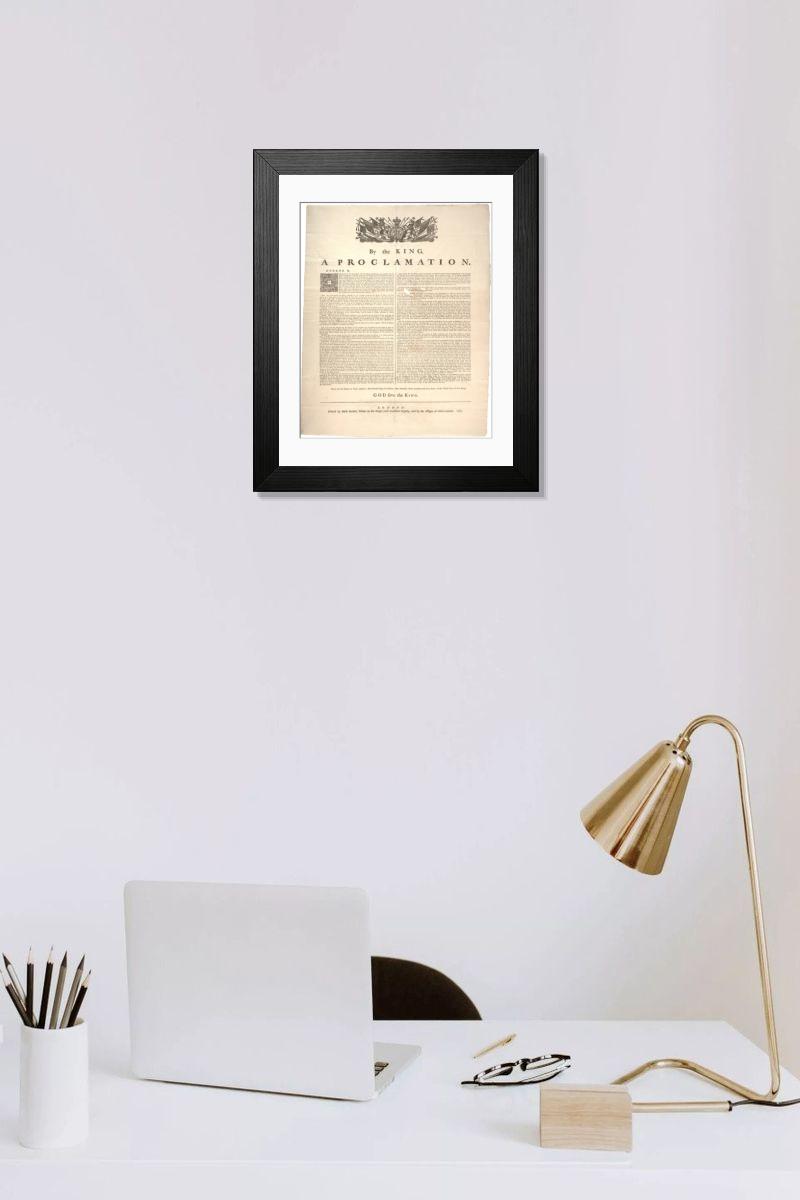
Framed Print of A Proclamation, 1763 (litho)
696002 A Proclamation, 1763 (litho) by British School, (18th Century); 60.9x48.2 cm; Gilder Lehrman Collection, New York, USA; (add.info.: The proclamation establishes colonial rule over former French and Spanish possessions in Canada, Florida, Grenada and other areas; it offers tolerance to Roman Catholics; it calls for governments and assemblies like those in existing colonies and recognizes the rights and land ownership of Indian tribes. One of nine known surviving copies. References: Clarence Brigham, British royal proclamations relating to America, 1603-1783; Clements Sale 1996 lot 223. Nine copies are known to survive. In 1773, Benjamin Franklin (1706-1790) published a brief history of the British governments actions during the preceding decade. Its title: Rules by Which a Great Empire May be Reduced to a Small One. Beginning in 1763, successive British ministries made a series of political missteps that gradually stirred the colonists to assert American liberties against British oppression. Before 1763, the colonists largely accepted Parliaments right to take actions on their behalf--and even the primacy of Englands economic interests over their own. Prior to the Seven Years War, however, almost all parliamentary actions had been designed to regulate trade, and while the colonies sometimes regarded these acts as unfair or inexpedient, they did not regard them as especially oppressive or burdensome. After 1763, however, Parliaments actions appeared to clash with the colonists interests. At the end of the Seven Years War, France surrendered Canada and much of the Ohio and Mississippi valley--two-thirds of eastern North America--to British rule. Many colonists regarded these new lands as a godsend. But the Proclamation of 1763 reserved lands west of the Appalachian mountains for Indians and forbade white settlement there. Equally disturbing, new British politics restricted Indian trade to traders licensed by the British government. For the first time, power over westward expansion was placed in the hands of British officials, outside the colonists control. By preventing the colonial population from moving inland, the British ministry hoped to avoid costly Indian wars, protect the western fur trade, and keep western land speculation under the control of the crown. To enforce the proclamation, the British cabinet decided to station up to 10, 000 troops along the frontier, at a cost of 250, 000 pounds sterling annually. The colonists, who wanted to expand westward without the interference of British troops, deeply resented the proclamation. They feared that if they were walled in along the eastern coast, the results would be overpopulation, the growth of crowded cities, and social stratification along rigid class lines.
George III (1738-1820), King of Great Britain.); eGilder Lehrman Institute of American History; British, out of copyright. © Gilder Lehrman Institute of American History / Bridgeman Images
Your chosen combination is quickly and professionally made to order, our shipping page has more details
If you are not entirely happy with your items, simply return them to us within 30 days for a replacement or full refund. Please read our full returns policy.
Media ID 23544502
American History Broadside Colonial Period Colonies Historical Document Proclamation Revolutionary War Sheet The War Of Independence
Modern 14"x12" (36x31cm)
Ready to Hang Contemporary Framed Prints adds style, protection, and a polished touch to your space - effortlessly.
Your artwork will be printed as shown in the preview. To adjust please select Edit Printed Image under the Buy button
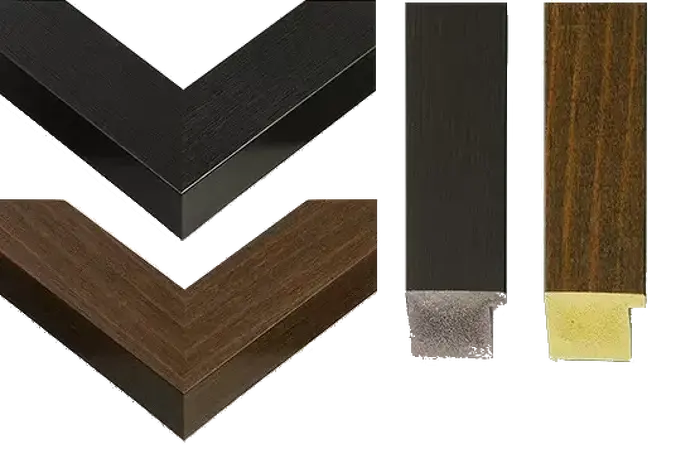
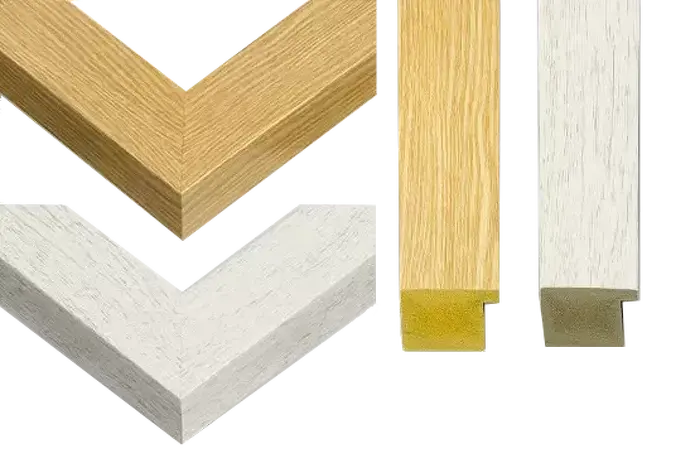
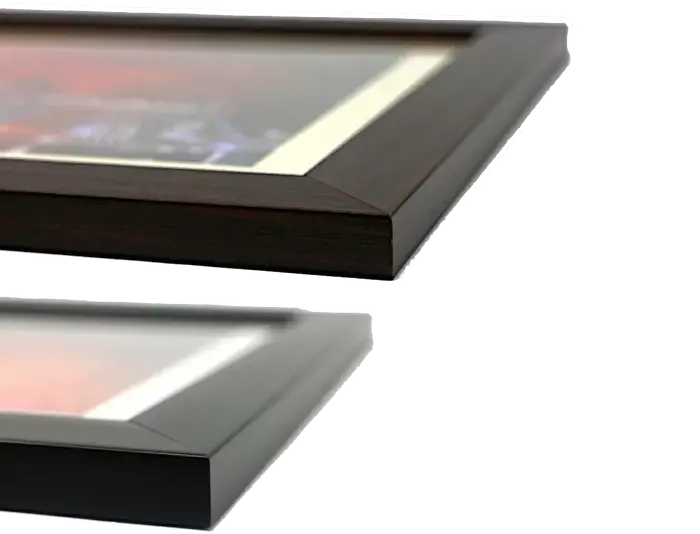
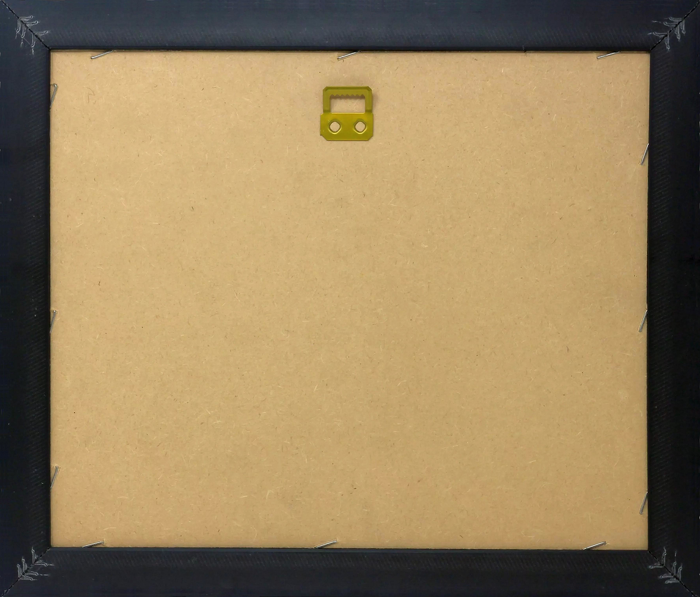
Wood effect frame, card mounted, 10x8 fade resistant photo print. Overall outside dimensions 14x12 inches (36x31cm). Environmentally and ozone friendly, 40mm wide x 15mm Polycore® moulding has the look of real wood, is durable and light and easy to hang. Biodegradable and made with non-chlorinated gases (no toxic fumes) it is efficient; producing 100 tons of polystyrene can save 300 tons of trees! Prints are glazed with lightweight, shatterproof, optical clarity acrylic (providing the same general protection from the environment as glass). The back is stapled hardboard with a sawtooth hanger attached. Note: measurements provided are estimated outer dimensions, which include both the image and the frame. While we aim to keep sizing consistent, exact dimensions may vary slightly due to differences in print size or production requirements, which may result in a variation in the overall size (up to approximately 2.5cm (1"))
These are individually made so all sizes are approximate
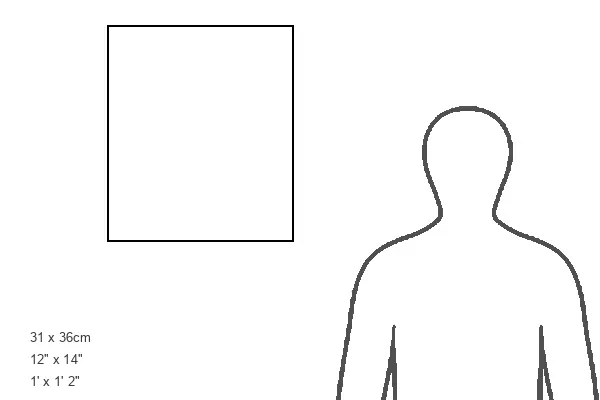
Estimated Image Size (if not cropped) is 19.3cm x 23.7cm (7.6" x 9.3")
Estimated Product Size is 31cm x 36cm (12.2" x 14.2")